Composite Filling
Composite fillings restore teeth affected by decay using tooth-colored resin materials. This overview explains indications, diagnosis, procedure steps, benefits, risks, durability, and essential post-treatment considerations to support informed discussions with dental professionals.
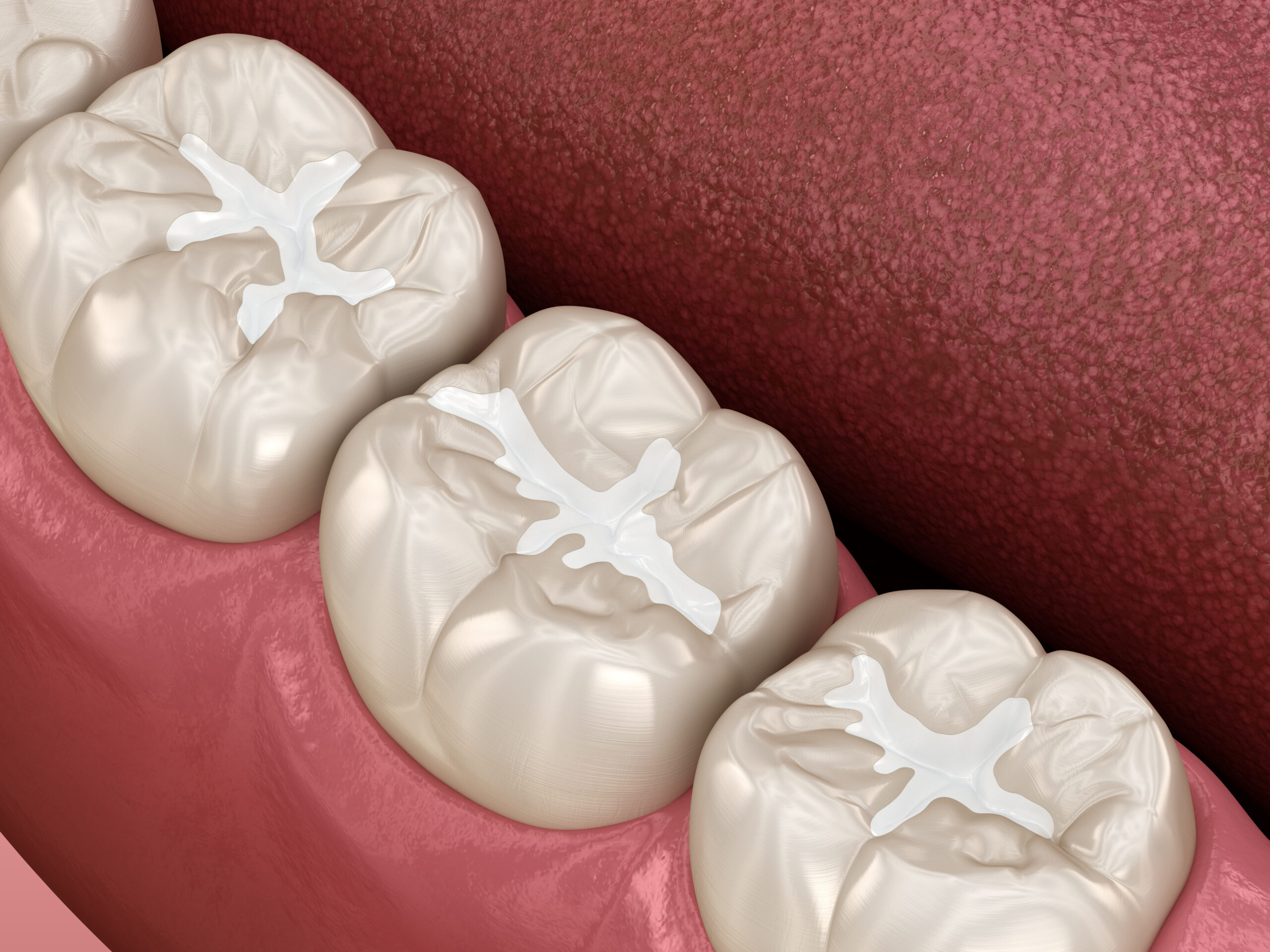
A composite filling is a common restorative dentistry treatment used to repair teeth affected by dental caries, enamel demineralization, fractures, or minor cosmetic imperfections through the placement of a tooth-colored composite resin material that bonds directly to the tooth structure. This technique is widely used because the resin-based dental material can closely match natural tooth color, allowing for a more aesthetic result while providing functional support for chewing. Before determining whether a composite filling is appropriate, a dentist performs a detailed dental examination that may include visual assessment, tactile evaluation with dental instruments, and X-ray diagnostics to identify decay extending into the dentin. The choice of restorative materials and treatment approach depends on factors such as the location and extent of decay, the patient’s overall oral health, existing restorations, and bite forces. During the procedure, the dentist removes the decayed portion of the tooth using minimally invasive techniques designed to preserve as much healthy enamel and dentin as possible, which aligns with current adhesive dentistry principles. After removal of decay, the tooth is cleaned, isolated from moisture to ensure proper adhesion, and treated with a bonding agent that allows the composite resin to attach securely. The resin is then placed in increments, shaped to restore natural anatomy, and hardened using a light-cured system. Once the material is fully polymerized, the dentist adjusts the bite to minimize occlusal stress and polishes the restoration to create a smooth surface that supports long-term oral hygiene by reducing plaque accumulation. Composite fillings can be used to restore both anterior and posterior teeth, though the longevity of the restoration may vary based on the size of the cavity, chewing pressure, dietary habits, oral hygiene practices, and whether the patient has habits such as teeth grinding. Although composite fillings are considered a biocompatible and safe amalgam alternative, patients may experience short-term postoperative discomfort, including mild tooth sensitivity to temperature or pressure, which typically improves over several days. In some cases, sensitivity may persist longer if the cavity was deep or close to the pulp, requiring monitoring and follow-up evaluation. Composite restorations are durable, but like all restorative materials, they can undergo wear, staining, or marginal breakdown over time, requiring periodic assessment during routine dental check-ups. The longevity of dental restorations is influenced by the quality of the initial procedure, moisture control during bonding, occlusal forces, and patient adherence to preventive oral health practices. Risks associated with composite fillings may include insufficient bonding, marginal leakage leading to recurrent decay, fracture of the restoration, or changes in bite alignment if the restoration wears unevenly. Dentists may discuss alternatives such as amalgam, glass ionomer, or ceramic restorations depending on clinical needs, but composite resin is often preferred when preservation of tooth structure and aesthetic integration are priorities. Patients considering composite fillings should understand that although these restorations provide effective cavity treatment and tooth-colored appearance, they do not eliminate the need for ongoing preventive care such as brushing, flossing, fluoride use, and routine dental examinations. If symptoms such as prolonged sensitivity, pain when biting, or visible changes in the filling occur, professional evaluation is important to determine whether repair or replacement is needed. Composite fillings are one component of comprehensive dental decay management, which may also include evaluation of dietary habits, assessment of saliva flow, fluoride exposure, and individualized strategies to reduce the risk of future cavities. By understanding the indications, procedure steps, benefits, limitations, and long-term expectations associated with composite dental restorations, patients can engage in informed decision-making and collaborate effectively with qualified dental professionals for safe and appropriate oral health care. As with any medical or dental treatment, individualized recommendations from a licensed provider ensure that the selected approach aligns with each patient’s clinical condition and long-term oral health goals, and patients should consult their dentist for assessment, diagnosis, and treatment planning specific to their needs.