Dental Cleaning (Scaling and Polishing)
This overview explains the purpose, process, benefits, risks, and post-procedure expectations of dental cleaning, helping patients understand how scaling and polishing support oral health and when to seek guidance from qualified dental professionals.
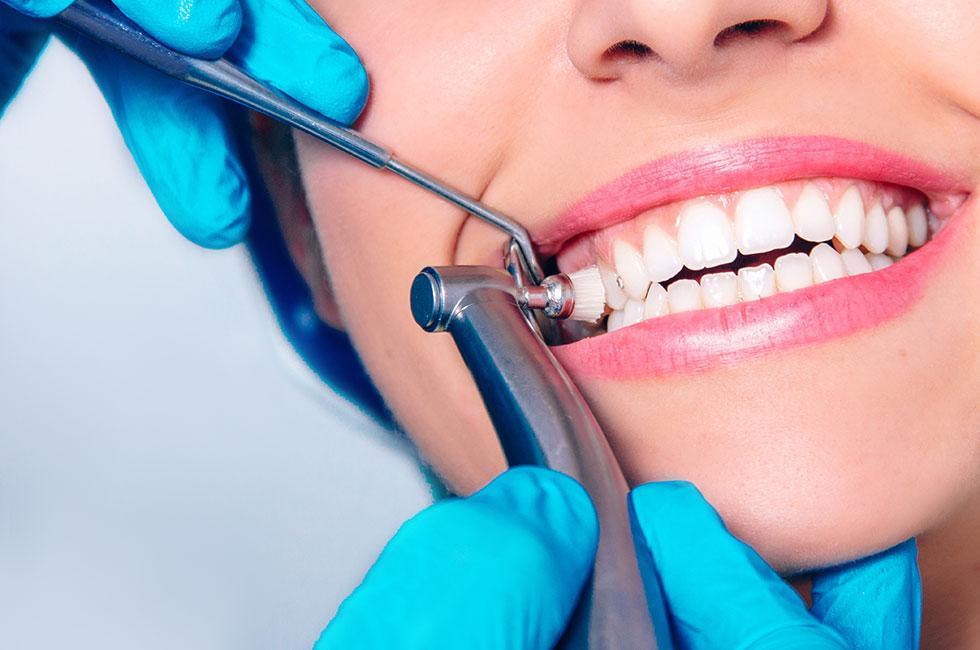
Dental cleaning, often referred to as scaling and polishing, is a routine but essential preventive dental care procedure used to remove plaque, tartar, and stains that cannot be eliminated through daily brushing and flossing, thereby helping reduce the risk of gingivitis, periodontitis, tooth decay, and other oral health conditions. The process begins with a clinical evaluation that may include a review of dental history, examination of soft tissues, assessment of plaque accumulation, probing depths to identify early signs of gum disease, and, when necessary, X-ray evaluation to detect bone loss or deeper deposits not visible during a standard inspection. Dental cleaning typically involves two main components—scaling and polishing. Scaling uses hand scaling instruments or ultrasonic scalers to remove hardened calculus deposits from supragingival areas above the gumline and, when needed, subgingival areas below the gumline where bacteria may accumulate and contribute to gum inflammation. The goal of scaling is to disrupt the dental plaque biofilm, a complex bacterial layer that contributes to tartar buildup, gum bleeding, bad breath, and progressive inflammatory disease when left untreated. In some patients, gum inflammation may cause mild discomfort or bleeding during scaling, particularly if plaque has accumulated for an extended period or if gingivitis is already present, but this response generally improves as oral health stabilizes. After scaling, polishing smooths the enamel surface using a prophylaxis paste and specialized rotating instruments, helping remove superficial stains caused by foods, beverages, or tobacco and reducing the roughness that can encourage new plaque accumulation. Some clinics may apply fluoride as an additional protective measure to strengthen enamel and reduce sensitivity. Symptoms that may lead patients to seek dental cleaning include persistent bad breath, visible tartar deposits, gum tenderness, bleeding when brushing or flossing, tooth discoloration, or a sensation of roughness along the teeth near the gumline. The causes of tartar buildup are largely related to inadequate oral hygiene, infrequent professional cleaning, high-carbohydrate diets, smoking, mouth breathing, dry mouth, and certain medical conditions that affect saliva flow. Untreated plaque and calculus accumulation can progress from reversible gingivitis to more serious periodontal disease, which can damage soft tissues and supporting bone structures, making early diagnosis and timely intervention critical. Patients undergoing scaling and polishing may experience temporary postoperative sensitivity to cold foods or brushing, particularly if gum recession or root exposure is present. This sensitivity typically improves over several days and can be managed with desensitizing toothpaste or professional guidance. In rare cases, more extensive periodontal scaling may cause temporary gum soreness or minor inflammation, especially if the patient has not had a cleaning for a long time, but these effects generally resolve as the tissues heal. Dental cleaning does not damage enamel; instead, it removes bacterial deposits that the body cannot eliminate on its own. Regular cleanings are an important part of periodontal maintenance for patients with a history of gum disease, who may require more frequent visits to manage deeper pockets and reduce the risk of recurrence. Professional dental cleaning also supports systemic health, as chronic periodontal inflammation has been associated with conditions such as cardiovascular disease and diabetes, making preventive care an important component of overall wellness. Scaling and polishing do not replace daily brushing and flossing, but they complement home hygiene by removing deposits that home care cannot reach. Recommendations for how often to receive dental cleaning vary depending on individual risk factors, with many patients benefiting from cleanings every six months, while those with periodontal disease or high plaque accumulation may require more frequent visits. Dental professionals tailor treatment based on individual needs, considering factors such as gum health, presence of restorations, tobacco use, and overall oral hygiene practices. Patients who delay cleaning may notice increased tartar deposits, worsening gum bleeding, and progressive staining, which can make the procedure more uncomfortable and increase the risk of complications. Dental cleaning is considered safe and medically appropriate for most individuals, though patients with certain medical conditions, such as heart valve disorders or immunocompromised states, should discuss their health history with their provider to determine whether antibiotic prophylaxis or additional precautions are recommended. By understanding how scaling and polishing work, what symptoms indicate the need for professional evaluation, the diagnostic methods used to determine the extent of gum inflammation, and the risks and recovery expectations involved, patients can better appreciate the role of dental cleaning in maintaining oral health and preventing disease progression. Ultimately, individuals should consult a qualified dental professional for personalized assessment and evidence-based recommendations that align with their oral health status and long-term preventive care needs.