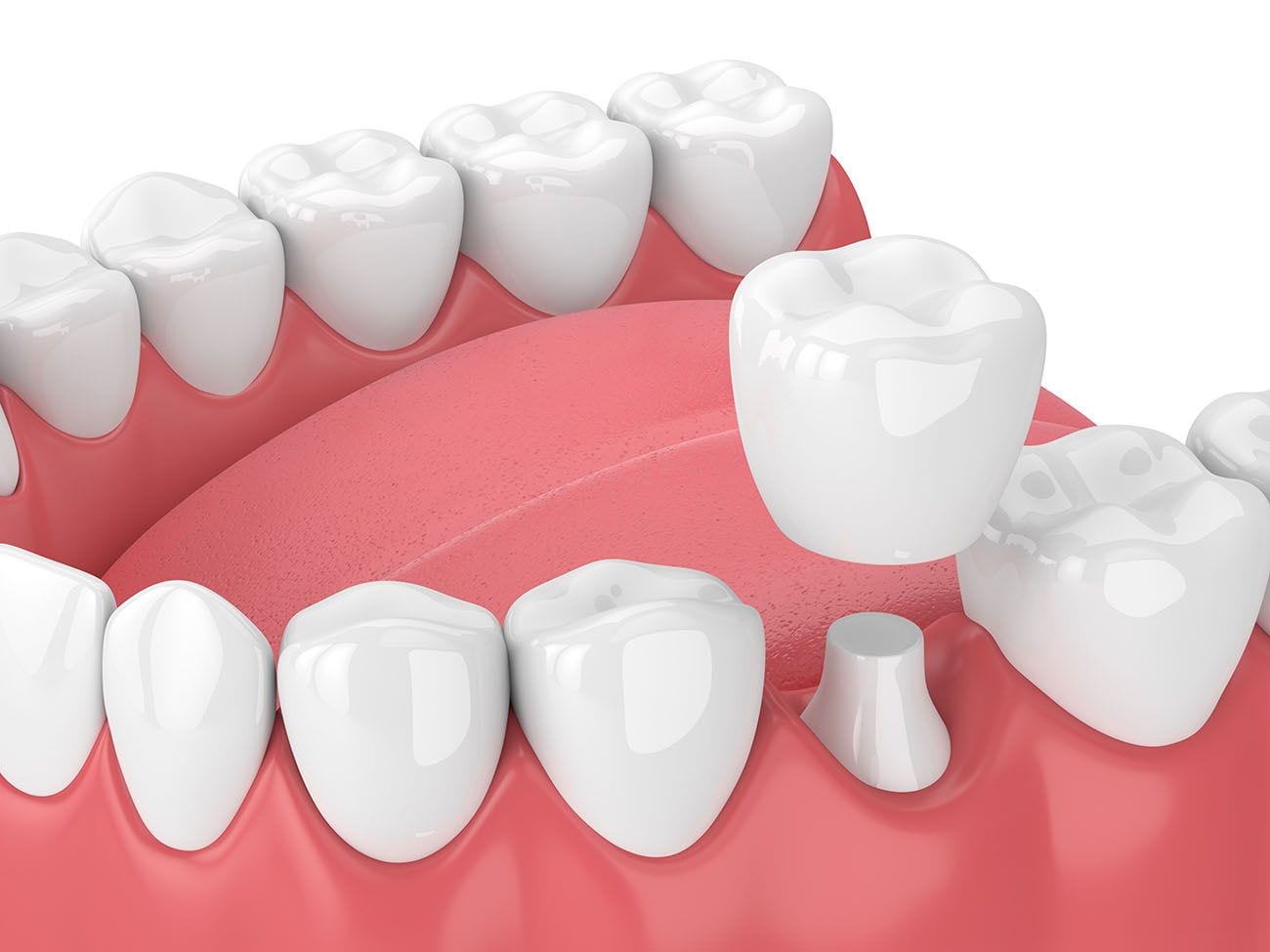
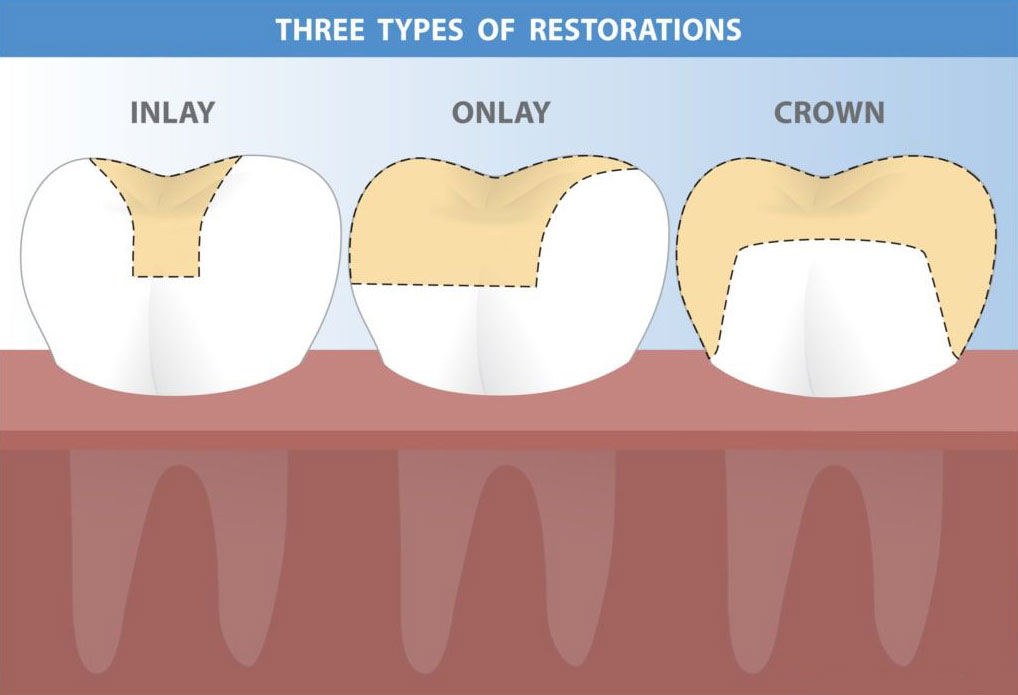
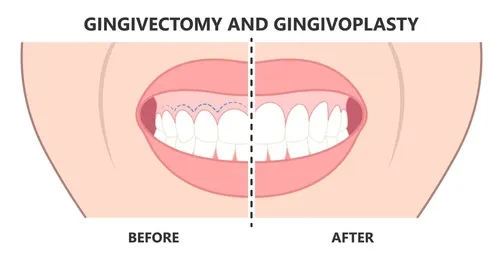
Why Patients Choose Turkey for Dental Treatments
This article outlines why patients choose Turkey for dental treatment by examining accreditation systems, safety standards, diagnostic processes, and the structured international patient journey that guides individuals through each stage of receiving dental care abroad.
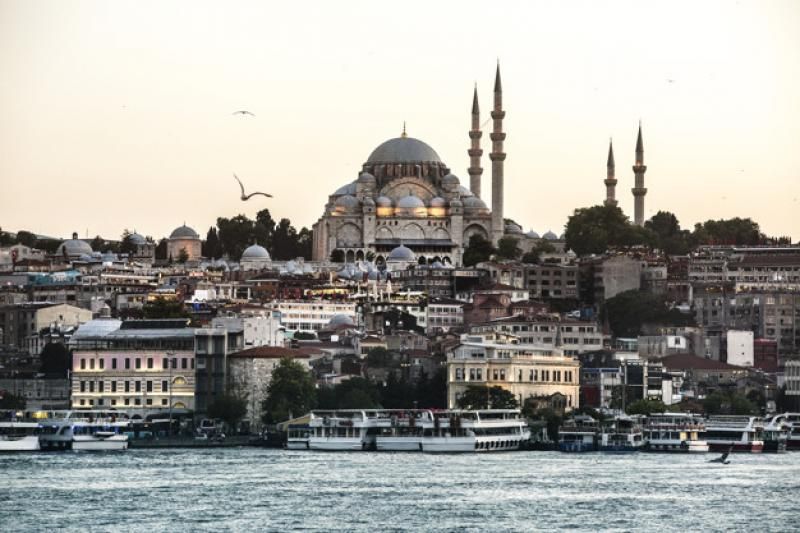
Turkey has become one of the most preferred destinations for dental tourism due to its combination of internationally aligned safety standards, accredited dental clinics, experienced specialists, and a clearly structured patient journey that supports individuals seeking reliable, evidence-based dental care abroad, and understanding why patients choose Turkey requires examination of the regulatory framework, clinical accreditation processes, infection control protocols, and patient-centered workflow that guide each step of treatment from initial inquiry to post-procedure follow-up. Dental treatment in Turkey is governed by national health legislation, strict licensing requirements for dentists, mandatory facility inspections, and comprehensive infection control measures designed to align with global healthcare expectations, and many clinics pursuing international patients hold recognized accreditations such as Joint Commission International (JCI), ISO certification, or Ministry of Health quality registration, all of which require adherence to sterilization procedures, staff competency validation, emergency preparedness, and routine clinical audits. Patients researching dental tourism often express concerns about safety, training, materials, and reliability, and Turkey addresses these through transparent documentation, digital dentistry integration, and standardized protocols for diagnostic evaluation, including CBCT imaging, intraoral scanning, periodontal assessment, and prosthodontic planning. The decision to travel abroad for dental care commonly arises from dissatisfaction with cost, limited treatment availability, or long waiting times in the home country, but patients increasingly prioritize clinic accreditation, dentist qualifications, and treatment predictability over affordability alone. The patient journey typically begins with remote consultation, during which dental teams request radiographs, photographs, and medical history to determine initial suitability for treatments such as implants, crowns, veneers, orthodontic correction, or full-mouth rehabilitation; however, ethical clinics emphasize that definitive treatment plans are established only after an in-person examination and updated imaging to ensure clinical accuracy and patient safety. Once the patient arrives in Turkey, the process includes a comprehensive evaluation that considers systemic conditions, oral health status, gum disease risk, and anatomical limitations, and clinicians provide informed consent documents explaining the medical indications for treatment, potential risks, expected healing processes, alternative options, and any procedural limitations, ensuring that the patient understands the evidence-based nature of the recommended care. Safety considerations remain central throughout the patient journey, as Turkish dental clinics must comply with infection control protocols involving sterilization monitoring, single-use supplies, autoclave validation, waterline safety, radiation safety certification, and documentation of traceable CE-approved materials used in prosthetic and surgical procedures. The treatment phase is supported by international patient coordinators who assist with appointment scheduling, translation, transportation arrangements, and accommodation guidance, helping patients navigate unfamiliar processes while maintaining focus on clinical care. Many clinics utilize digital workflow systems that allow for precise restorative design, reduced chair time, enhanced predictability, and improved communication between laboratory technicians and clinicians, and these technologies also support documentation required for international patients who may need dental reports for insurance or legal records in their home countries. Turkey’s appeal also lies in its structured timeline expectations; for example, implant procedures may require staged healing with follow-up visits, while restorative treatments like zirconia crowns or veneers can often be completed within shorter stays, although reputable providers always prioritize biological healing and clinical stability over accelerated scheduling, ensuring safe timing for each procedure. Legal notes are an important part of the medical tourism discussion, and Turkey enforces patient rights regulations that include privacy protection, data confidentiality, informed consent, and the right to receive medical documentation, while reputable clinics clearly explain limitations of cross-border follow-up and the patient’s responsibility for ongoing long-term oral health maintenance. After treatment, clinics provide postoperative care instructions, oral hygiene recommendations, material-specific maintenance guidelines, and channels for remote follow-up, recognizing that continuity of care is essential for international patients who may be unable to return immediately for in-clinic checks. The travel component of the journey is also considered, and clinics advise patients on ideal treatment timing, recommended length of stay based on procedural complexity, and appropriate periods to avoid long flights when necessary for healing, especially after surgical procedures. Another factor influencing global interest in Turkey is the availability of multilingual dental professionals and coordinators, which supports clear communication, patient comfort, and accurate understanding of expected treatment outcomes, risks, and requirements. Safety standards in Turkish dental tourism are further reinforced by nationwide oversight from the Ministry of Health, which conducts periodic inspections, audits facility compliance, monitors credentialing, and enforces corrective measures when needed to maintain clinical quality. Professional associations within Turkey also support continuing education, ensuring that dental specialists remain updated on emerging techniques, material science advancements, evidence-based guidelines, and patient safety protocols. When considering why Turkey stands out compared with other medical tourism destinations, many patients highlight the blend of modern clinical infrastructure, regulatory oversight, accessible scheduling, thorough diagnostic evaluation, and structured international patient support, all of which contribute to a predictable and transparent treatment experience. Despite these advantages, it is essential for individuals to choose clinics carefully, verify accreditation, review dentist qualifications, request treatment plans supported by diagnostic evidence, and ensure they understand all medical and logistical considerations before traveling. Ultimately, choosing Turkey for dental treatment should be based not solely on cost but on the comprehensive safety systems, accreditation standards, ethical clinical workflows, and carefully coordinated treatment journey designed to protect patient well-being from initial consultation through long-term follow-up, and patients are encouraged to engage with qualified healthcare professionals to make informed, medically responsible decisions that support both their oral health and overall safety.