Zirconium Crown
This article explains the indications, diagnostic evaluation, procedural steps, material benefits, risks, and long-term considerations associated with zirconium crowns, supporting informed decision-making with guidance from qualified dental professionals.
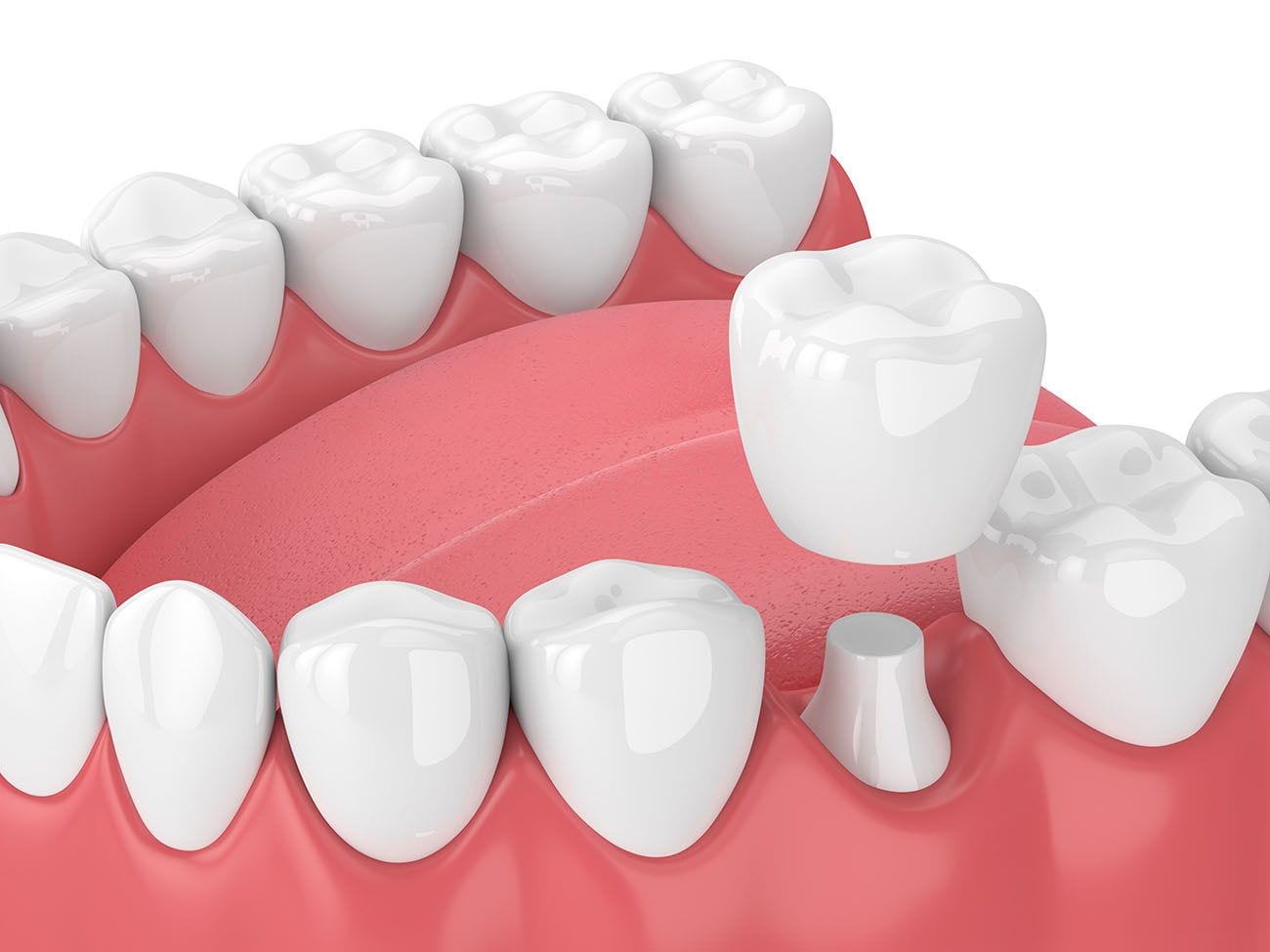
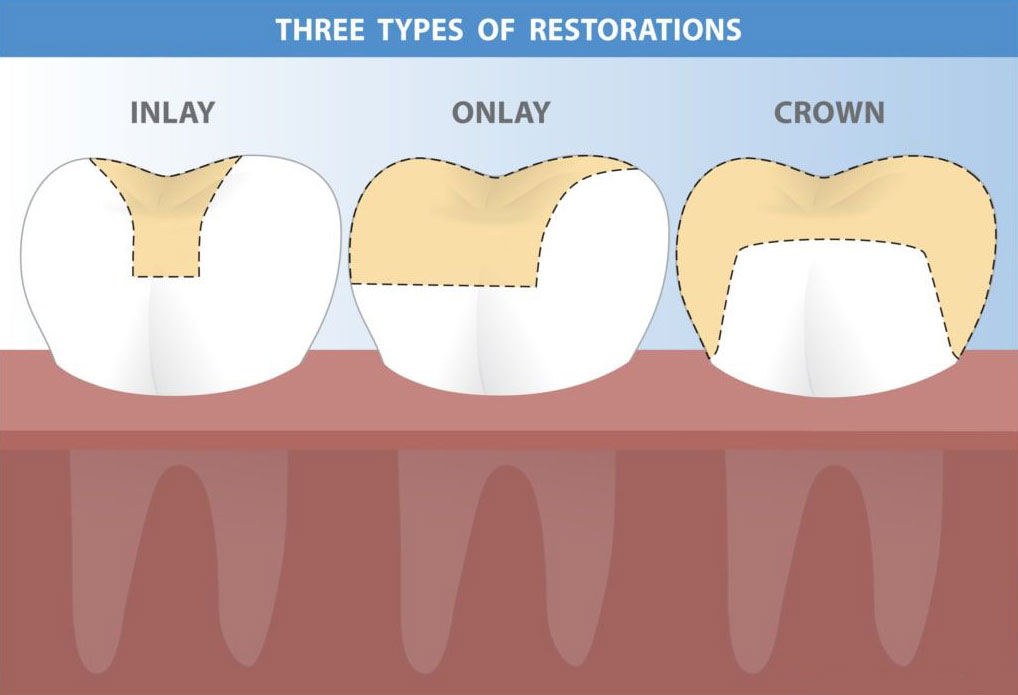
A zirconium crown, also known as a zirconia dental crown, is a full-coverage restoration made from strong ceramic materials used to protect and restore teeth that have experienced significant structural loss due to decay, fractures, enamel wear, large failing fillings, or discoloration that cannot be adequately treated with more conservative options, and it is frequently considered when long-term durability and biocompatibility are clinical priorities. Patients may present with symptoms such as pain when biting, sensitivity to temperature, visible cracks, weakened tooth structure after root canal treatment, or aesthetic concerns related to tooth shape or color, and the underlying causes often include extensive dental caries, trauma, bruxism, or natural aging processes that compromise enamel and dentin. Diagnostic methods include clinical evaluation, periapical or bitewing radiographs to assess remaining tooth structure and root health, and bite analysis to determine whether occlusal forces increase the risk of further damage. Zirconium crowns are fabricated from zirconia, a high-strength ceramic known for its durability, fracture resistance, and favorable biological response, making it a common choice for both posterior teeth exposed to heavy chewing forces and anterior teeth requiring improved aesthetics through layered or monolithic zirconia designs. When a zirconium crown is selected, the tooth undergoes preparation under local anesthesia, during which damaged or weakened tissue is removed and the tooth is shaped to accommodate the restoration while preserving as much healthy structure as possible. Digital impression systems or traditional impression materials are used to capture the prepared tooth accurately, and the crown is subsequently designed through CAD/CAM dentistry or fabricated in a dental laboratory depending on clinical needs. A temporary crown may be placed to protect the tooth during fabrication, particularly when sensitivity or exposed dentin is present. Once the zirconium crown is ready, the dentist evaluates its fit, contact points, and occlusion to ensure that the crown seats properly on the tooth and does not disrupt the patient’s bite. Cementation involves cleaning the tooth, conditioning the internal surface of the crown when indicated, and using a compatible dental cement to secure the restoration, after which occlusal adjustments ensure even distribution of chewing forces that reduces the risk of postoperative discomfort or future cracking. Patients may experience short-term postoperative sensitivity or mild gum inflammation around the crown margin, especially if the tooth previously had deep decay or if gum tissues were manipulated during treatment, but these symptoms typically improve as healing progresses. Risks associated with zirconium crowns include fracture under extreme force, wear on opposing teeth if occlusion is not balanced, marginal leakage if oral hygiene is inadequate, or gum recession exposing the crown margin, although these risks are reduced through proper case selection, precise crown fabrication, and routine dental maintenance. Zirconia materials are considered highly biocompatible, meaning they are resistant to corrosion and less likely to provoke allergic reactions compared to metal-based restorations, an important consideration for patients with sensitivities to certain alloys. Longevity of zirconium crowns depends on several factors including oral hygiene habits, diet, parafunctional habits such as grinding, the quality of the bonding process, and adherence to regular dental examinations that allow early detection of issues such as decay at crown margins or loosening of cement. Patients may ask whether zirconia crowns last longer than porcelain or metal-ceramic crowns, and while zirconia is known for its high strength, the most appropriate choice varies depending on aesthetics, bite forces, and location in the mouth. Recovery expectations involve resuming normal chewing once numbness resolves, avoiding excessively hard foods initially if large bite adjustments were made, and following professional guidance to minimize postoperative irritation. Maintaining good oral hygiene around the crown is essential because plaque accumulation near the gumline can lead to gingival inflammation or secondary caries that compromise the restoration. Understanding the purpose of zirconium crowns, the diagnostic process, preparation steps, benefits, potential risks, and maintenance needs helps patients make informed decisions regarding their restorative care. Because zirconium crown treatment is individualized and dependent on the patient’s dental and medical condition, consultation with a qualified dental professional is essential to ensure that treatment aligns with evidence-based practice, appropriate material selection, and long-term oral health goals.