Dental Bone Grafting: What the Procedure Involves, Who It Suits, and What to Expect
Considering dental bone grafting abroad? This guide covers what the procedure involves, who is suitable, realistic recovery, genuine risks, and what to ask firs
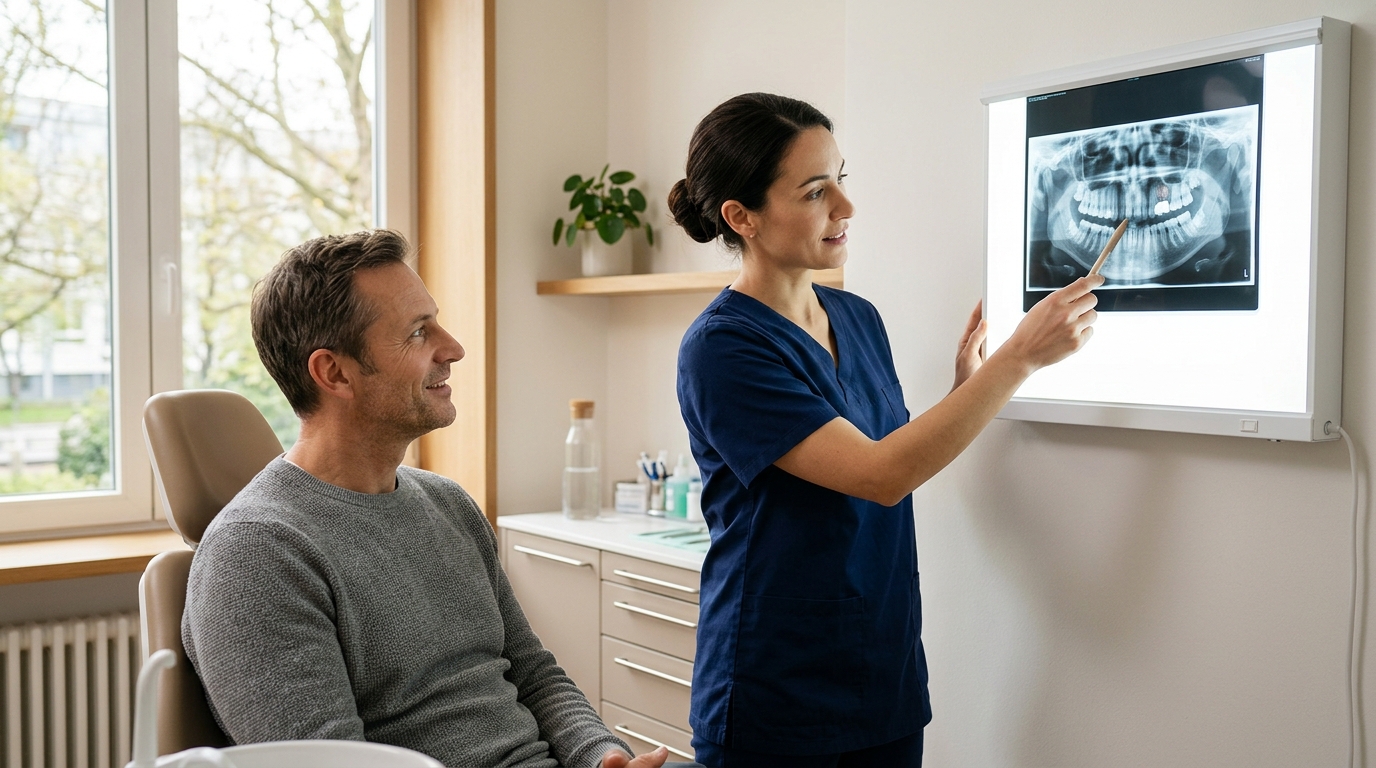
If you have been told you do not have enough jawbone to support a dental implant, a bone graft is often the procedure that makes implant placement possible. It is one of the more commonly performed preparatory steps in implant dentistry, yet patients are frequently given very little information about what it actually involves, how long it takes to heal, or what can realistically go wrong.
Why Bone Loss Happens and Why It Matters
The jawbone that surrounds and supports a tooth begins to resorb — gradually shrink — once that tooth is lost or extracted. The process starts within weeks and continues over months and years. The rate and extent of loss varies considerably between individuals, and is also influenced by factors such as gum disease, past infection, trauma, and how long ago the tooth was removed.
A dental implant needs a minimum volume and density of bone to integrate securely. When that volume is insufficient, placing an implant without first rebuilding the site risks poor stability, implant failure, or damage to adjacent structures. A bone graft addresses that deficit before the implant is placed — or occasionally at the same time, depending on the clinical situation.
Types of Bone Graft Used in Dentistry
Not all dental bone grafts use the same source material. The choice depends on the size of the defect, the location in the jaw, the patient's medical history, and the surgeon's assessment of what will integrate most predictably.
- Autograft: bone taken from the patient's own body, typically from another part of the jaw, the chin, or — in larger cases — the hip or shin. It contains living cells and growth factors, which generally supports good integration, but it does require a second surgical site.
- Allograft: processed bone from a human donor, sourced through regulated tissue banks. The material is sterilised and prepared to remove cellular content while preserving the mineral scaffold. It avoids a second harvest site but carries a small risk of immune response.
- Xenograft: bone-derived material from an animal source, most commonly bovine. Widely used in dentistry, with a well-established clinical track record, though healing timelines can be longer than with autograft.
- Alloplast: a synthetic substitute, typically based on hydroxyapatite, calcium phosphate, or bioactive glass. Entirely lab-produced, so there is no donor-related risk, but it acts primarily as a scaffold rather than contributing biological signals that drive new bone formation.
In practice, surgeons sometimes combine materials — for example, a small amount of autograft mixed with xenograft — to balance biological activity with volume. The specific material used in a given case is determined at clinical assessment, not before it.
Common Bone Grafting Procedures Explained
Several distinct procedures fall under the heading of dental bone grafting, and they address different anatomical situations.
Socket preservation (alveolar preservation)
Performed immediately after a tooth extraction, this involves placing graft material into the empty socket before it is covered with a membrane and sutured. The aim is to minimise the bone collapse that would otherwise occur during healing. It does not replace bone that has already been lost — it preserves what is there at the time of extraction.
Ridge augmentation
When bone loss has already occurred and the ridge is too narrow or too shallow to accept an implant, ridge augmentation rebuilds it. Graft material is placed against the deficient bone and held in position with a resorbable or non-resorbable membrane, which keeps soft tissue out of the graft site while new bone forms. This is one of the more technically demanding procedures, and the outcome is more variable than socket preservation.
Sinus lift (sinus floor elevation)
In the upper jaw behind the premolars and molars, the maxillary sinus sits close to — or in some cases directly above — the bone where implants would be placed. A sinus lift creates space by gently lifting the sinus membrane and placing graft material underneath it. There are two main approaches: a lateral window technique for larger volume additions, and a transcrestal (internal) technique for more modest lifts. The lateral approach is more invasive but allows greater bone volume to be added. A torn sinus membrane is the most common intraoperative complication; if it occurs, the surgeon must either repair it or pause the procedure.
Guided bone regeneration (GBR)
A technique rather than a stand-alone procedure, GBR uses barrier membranes — either resorbable or non-resorbable — to exclude fast-growing soft tissue from a graft site, giving slower-forming bone cells space and time to populate the area. It is often used in combination with ridge augmentation or as part of simultaneous implant placement when a minor bone defect exists alongside an otherwise stable implant site.
Who Is Typically Assessed as a Candidate
Suitability for bone grafting is assessed individually. Imaging — typically a cone beam computed tomography (CBCT) scan — is essential for measuring available bone volume and identifying anatomical structures such as nerve canals and the sinus floor.
Factors that influence whether grafting is appropriate, and which type is recommended, include the extent and pattern of bone loss, the condition of surrounding teeth and gum tissue, systemic health (particularly bone metabolism conditions such as osteoporosis), medications that affect bone healing (notably bisphosphonates), smoking status, and whether any active infection is present. Active periodontal disease is generally resolved before grafting is considered.
Patients with certain medical histories — those who have taken intravenous bisphosphonates for cancer treatment, for example — may face a significantly elevated risk of poor bone healing and require specialist review before any grafting procedure. This is not a contraindication in every case, but it is one a surgeon must evaluate carefully.
The Procedure Itself
Most minor-to-moderate bone grafts are performed under local anaesthetic with or without sedation, as a day procedure. Larger grafts — particularly those harvesting bone from a remote site — may be done under general anaesthetic and occasionally require an overnight stay.
The surgical area is numbed, a flap of gum tissue is reflected to expose the bone, and graft material is placed and contoured to fill the defect. A membrane is then positioned over the graft, and the gum is sutured closed. The procedure typically takes between 45 minutes and two hours depending on complexity, though this varies.
Where bone is harvested from another part of the jaw — such as the chin or the ramus — a second incision is made in the same session, the required amount of bone is removed, and that site is also sutured.
Recovery and Healing Timeline
Swelling, bruising, and discomfort in the days following surgery are expected. These typically peak around 48 to 72 hours and then gradually resolve. Pain management is usually handled with over-the-counter analgesics; prescription medication is sometimes given for the first few days.
Sutures are generally removed or dissolve within one to two weeks. Patients are typically advised to eat soft foods, avoid putting pressure on the grafted area, and refrain from smoking throughout healing. Smoking materially increases the risk of graft failure and infection.
The more significant question is how long it takes before the graft has matured enough to place an implant. For socket preservation, this is commonly three to four months. Ridge augmentation and sinus lifts generally require four to nine months before implant placement, though the timeline depends on the amount of bone needed, the material used, and how the individual patient heals. These are ranges, not guarantees — some cases take longer.
Genuine Risks and Complications
Bone grafting carries real risks that a patient should weigh before proceeding. Being informed about them is part of giving meaningful consent.
- Graft failure: the graft material does not integrate and new bone does not form adequately. This can result in the need to repeat the procedure after a waiting period.
- Infection: bacterial infection at the graft site can destroy the graft and damage surrounding bone. The risk is higher in smokers and in patients with poorly controlled diabetes.
- Membrane exposure: if the overlying gum tissue separates, the barrier membrane can become exposed to the oral environment, increasing infection risk and often requiring early removal of the membrane.
- Nerve proximity: grafting in the lower jaw carries a small risk of temporary or, rarely, prolonged altered sensation if the inferior alveolar nerve is close to the surgical site.
- Sinus complications: in sinus lift procedures, membrane perforation, post-operative sinusitis, or graft material displacement into the sinus are recognised complications.
- Resorption of graft: some grafts partially resorb before or after implant placement, which may affect the final implant position or require additional grafting.
- Harvest site morbidity: when bone is taken from elsewhere in the body, that site has its own recovery, discomfort, and — rarely — complications.
Bone Grafting as Part of a Longer Treatment Plan
Bone grafting is rarely the endpoint. It is almost always a stage in a sequence leading to implant placement, followed by a healing period, then placement of the final crown or prosthesis. The total time from initial grafting to a finished restoration can range from eight months to well over a year in complex cases. Patients planning treatment abroad should discuss this staging clearly with their clinical team before committing — some stages can be completed in one visit, others require a return trip.
For patients considering the broader scope of implant or restorative work, reviewing available dental treatment packages can help clarify which procedures are typically grouped together and what a multi-stage plan might involve.
Questions to Ask Before Committing
- What type of graft material is being recommended, and why is it preferred for my specific situation?
- Is a CBCT scan included in the assessment, and who interprets it?
- How much bone is being added, and what is the realistic probability that the volume will be sufficient for implant placement?
- What is the contingency if the graft does not fully integrate?
- Will any stages of the treatment require me to return, and if so, how many visits and roughly when?
- How should I manage my smoking, medications, or other health conditions in the lead-up to and after surgery?
- What follow-up monitoring is done after the graft, and how is progress assessed before implant placement is scheduled?
Travelling to Turkey for Dental Bone Grafting
Dental bone grafting is commonly performed in Istanbul and Antalya, both of which have a well-established concentration of dental clinics that treat international patients. Because grafting is almost always a preparatory stage rather than a complete treatment, it is important to understand the trip requirements before travelling.
A first visit for an assessment, CBCT imaging, and the grafting procedure itself typically requires a stay of three to five days, to allow for the immediate post-operative period before flying. Travel home shortly after oral surgery carries a slightly elevated risk of swelling and discomfort on the aircraft; most surgeons advise waiting at least 48 to 72 hours after the procedure before flying, though individual guidance varies.
International patients undergoing this type of treatment in Turkey commonly have accommodation and airport transfers arranged through their dental clinic or a coordinating service. These logistics are a standard part of how dental tourism operates in these cities, and most established practices have support staff who communicate in English. A return visit — typically four to six months later for implant placement — will be a separate trip and should be factored into planning from the outset.